
KATHMANDU, NEPAL · 27.7172° N, 85.3240° E / ALTITUDE: 1,400m → 8,848m
EST. 2015 · APPLIED RESEARCH & FABRICATION
SUSTAINABILITY LAB · NEPAL

Ideas are easy.
Let’s build what comes next.

Sustainability Lab explores, designs and builds practical approaches to a more sustainable future. Rooted in regional materials, physics-informed AI, and tangible craftsmanship.

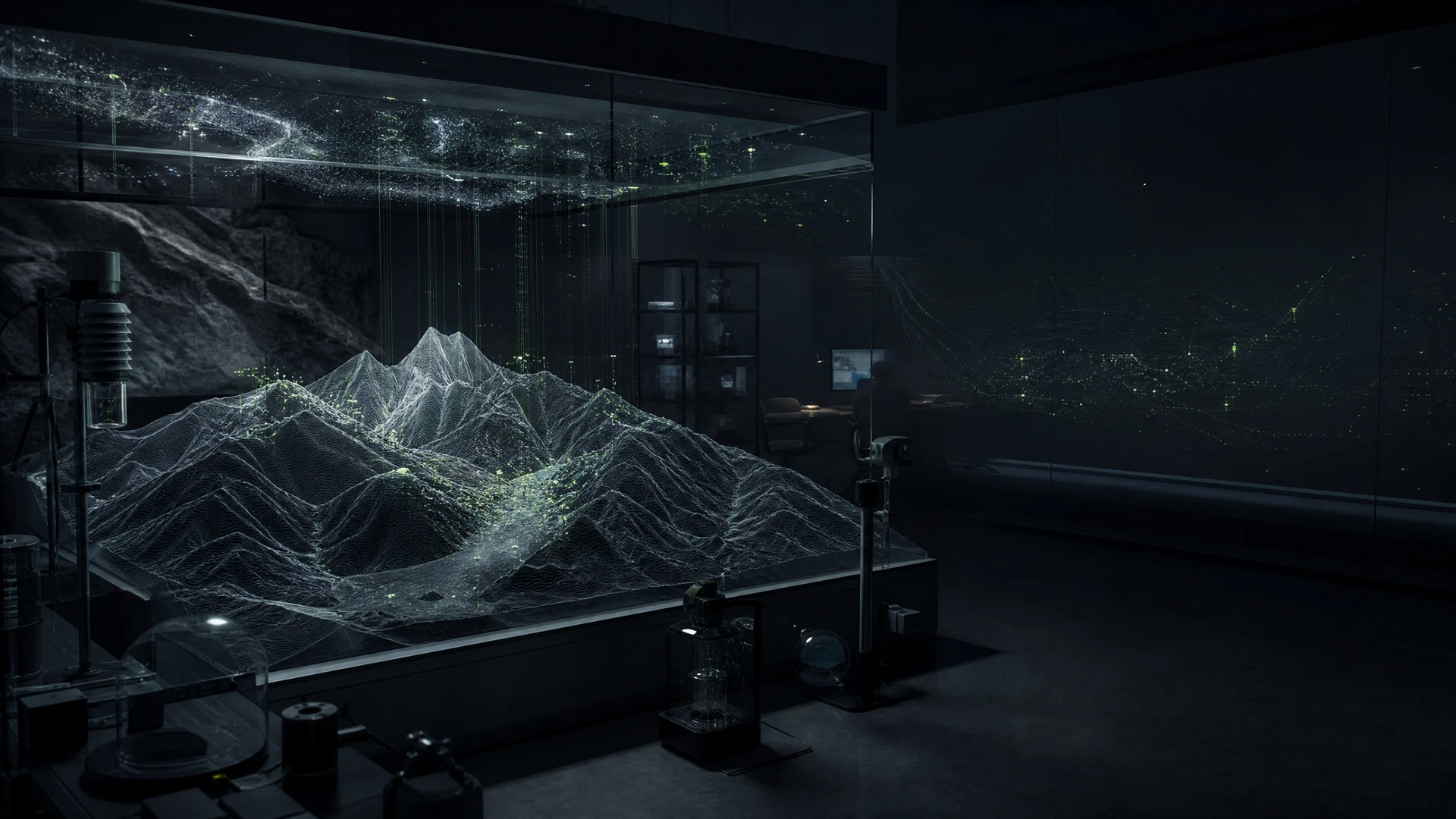
Sustainability Lab laboratory proving ground across the Himalayan gradient in Nepal
PLATE 01.0 · THE HIMALAYAN PROVING GROUND
27.7172° N, 85.3240° E
01QUESTION
02RESEARCH
03EXPERIMENT
04BUILD
05LEARN
EXPLORE BELOW
WHAT IS SUSTAINABILITY LAB?

We don't need your information.
We need your knowledge.

Sustainability Lab is an interdisciplinary research, design, and practical innovation laboratory. We take what already exists — physical remnants, local cultural wisdom, satellite streams, and regional materials — and transform them into durable, working systems for a rapidly changing world.

2015 FOUNDED POST-QUAKE
100% SALVAGED SPACE DNA
SL / 001 KĀRVA FLAGSHIP
THE CORE INQUIRY

What else can it become?

Click any specimen below to explore how we turn existing remnants, cultural knowledge, or environmental signals into functional, resilient outcomes.

MATERIAL RECLAMATION ORIGIN: 2015 POST-QUAKE
WHAT WE HAD:

Demolished Stadium Bricks

Salvaged directly from the damaged Dasharath Rangasala national stadium in Kathmandu following the 2015 earthquake.

WHAT IT BECAME:

Structural Laboratory Core

Reassembled with traditional Chaukosh timber joinery into the load-bearing walls and research studios of Sustainability Lab.

SL / 001 · FLAGSHIP PROOF OF EXECUTION

KĀRVA

Bio-Composites & Sustainable Material Goods

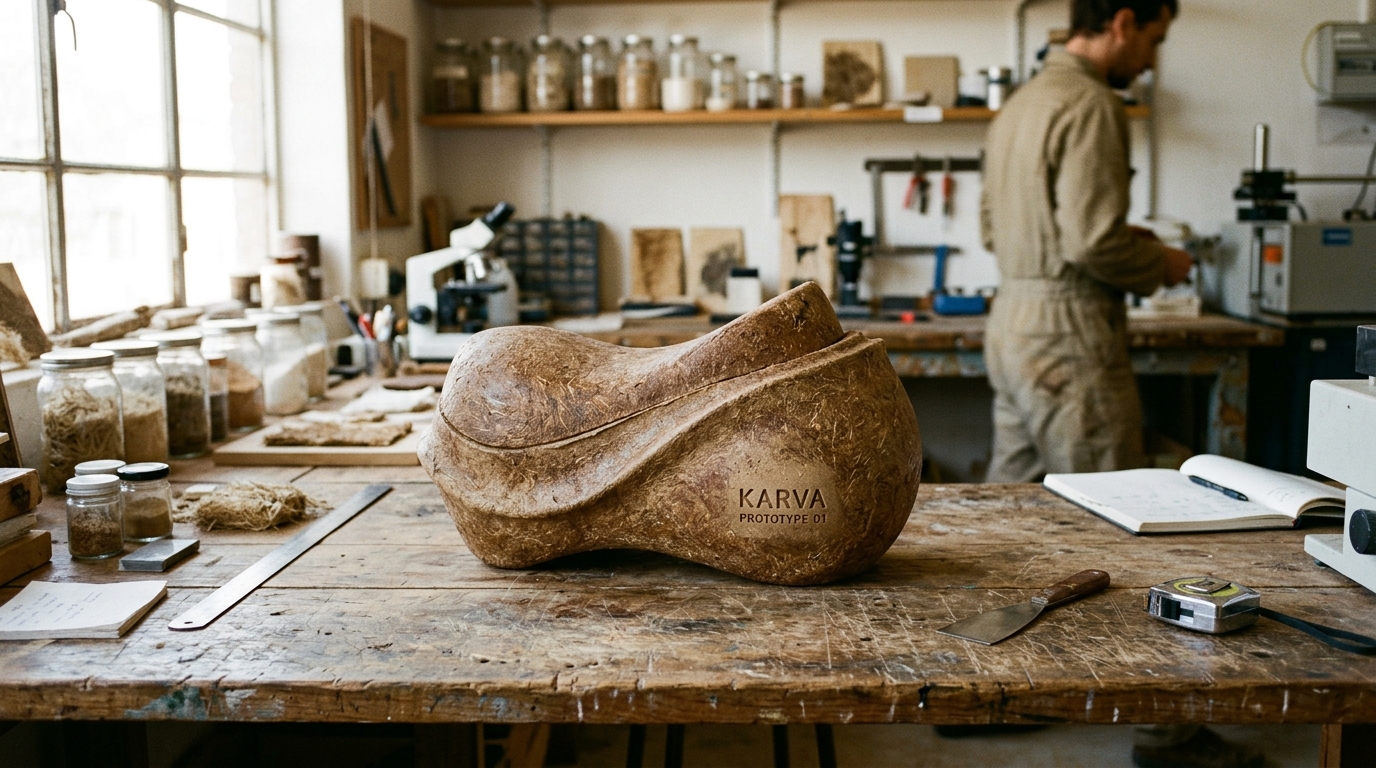
KĀRVA is Sustainability Lab's flagship materials venture. Formulated entirely from fallen Shorea robusta (Sal) tree foliage and regional plant polymers, KĀRVA turns agricultural biomass into structural, heat-resistant, and 100% biodegradable products.

PROVENANCE Himalayan Biomass
CIRCULARITY 100% Bio-Degradable
PETRO-FREE 0% Plastic Polymers
KĀRVA sustainable bio-composite goods
MATERIAL SPECIMEN: SHOREA ROBUSTA MATRIX
PLANETARY COMPUTING SIMULATOR

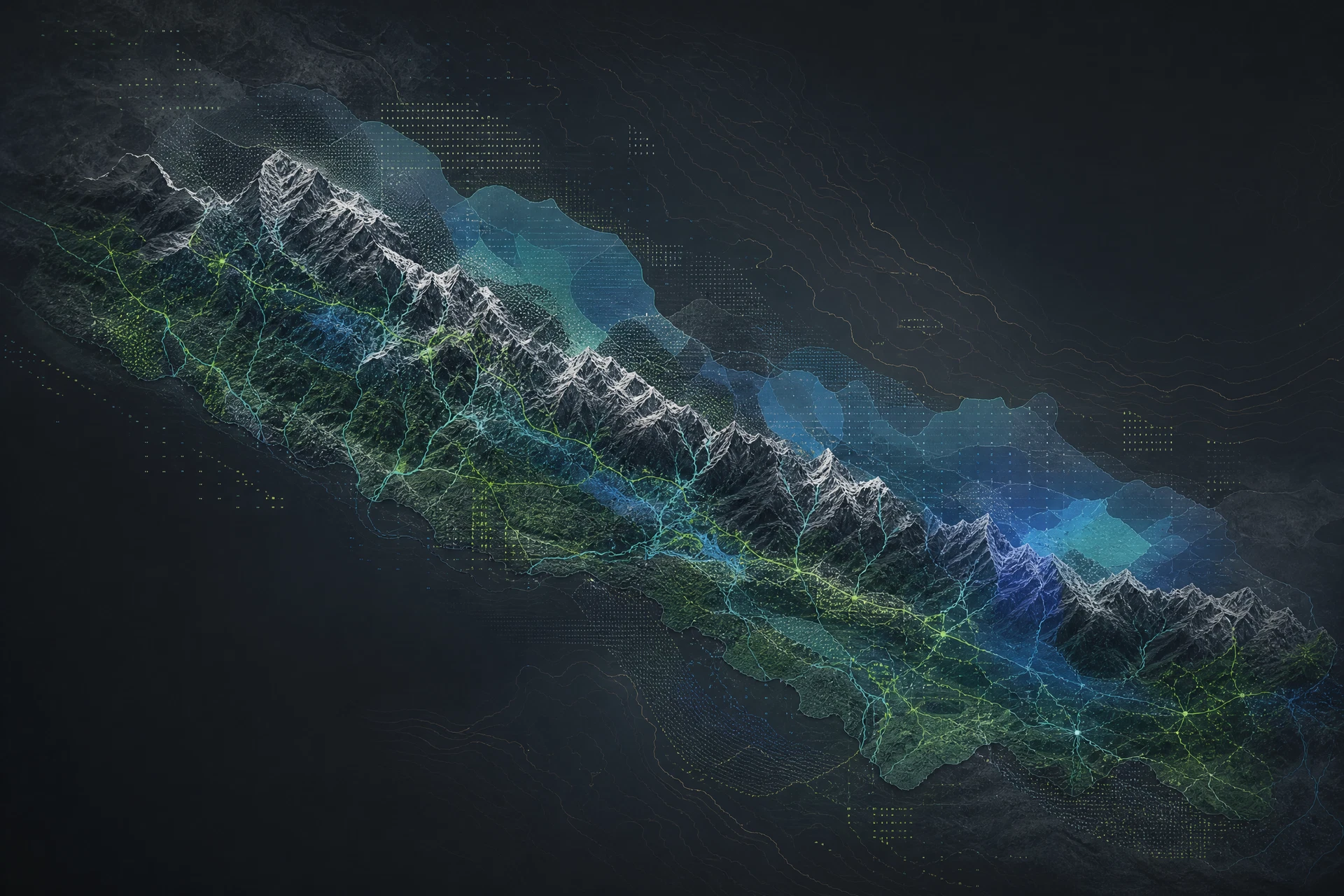
Himalayan Catchment Telemetry Simulator

Adjust the simulated monsoon precipitation and high-altitude snowmelt volume to see NCIP's physics-informed hazard engine calculate real-time river surge and flood lead times.

Open NCIP Console →
1,250 m³/s
400 m³/s (Base) 1,600 m³/s (Surge) 2,800 m³/s (Extreme)
GLACIAL LAKE ELEVATION: 4,820m MSL
CATCHMENT SATURATION: 64% (MODERATE)
SENTINEL RADAR INTERVAL: 6-DAY REVISIT + IoT
NORMAL CATCHMENT STATE
PROJECTED SURGE +1.4 m
EARLY WARNING LEAD 42 Hours
ESTIMATED HYDRO DISPATCH 94% OPTIMAL
AUTOMATED PROTOCOL: Basin gauges operating within nominal threshold. No downstream evacuations required.
THE LAB EVOLUTION

Three Chapters of Practice

Our authentic journey from 2015 earthquake rubble salvage to an active community platform, and now to planetary computing and regional materials.

01 2015 →

RECLAIM

Materials & Possibility

Born directly from the devastation of the 2015 Nepal earthquake. Rebuilding with what was already present: Dasharath Rangasala stadium bricks, Chaukosh timber joinery, pallet walls, futsal turf flooring, and tyre furniture.

• 100% Salvaged Space • Zero Waste Rebuild
02 COMMUNITY

CONNECT

The Living Platform

The space evolved into an active ecosystem: Coworking space, Nutri Kitchen, Poshan Agro, Kalpabrikshya, and Nursery Lane Tole Sudhar Samiti town halls. Diverse knowledge meets in shared practice.

• Interdisciplinary Cohorts • Local Food Systems
03 PRESENT & FUTURE

EXPERIMENT

Planetary Computing & Craft

Building with the knowledge, technology, resources, and systems around us: AI, satellite radar, sensors, physics-informed models, materials science, and regional craft. Scaled via NCIP and KĀRVA.

• NCIP Spatial AI • KĀRVA Bio-Composites
OPEN FOR DEPLOYMENT & RESEARCH PARTNERSHIPS

Have an idea worth building?
Let’s engineer it together.

Whether deploying NCIP early warning arrays for your river basin, integrating Sustainability OS into regional grids, or co-developing bio-composite materials with KĀRVA — we welcome grounded collaboration.